9.5/10
8/10
9.5/10
9/10
10/10
9.5/10
When Ancient Spirits Meet Modern Flesh: A Masterpiece of Cultural Terror
Banjong Pisanthanakun's The Medium doesn't simply tell a story about spiritual possession—it creates an immersive descent into the collision between ancient Thai-Isan folklore and contemporary reality, crafting what may be the most authentically terrifying possession film ever made. This is folk horror at its most culturally specific and universally disturbing, a work that demonstrates how the most effective supernatural cinema emerges from deep understanding of actual spiritual traditions rather than Western genre conventions.
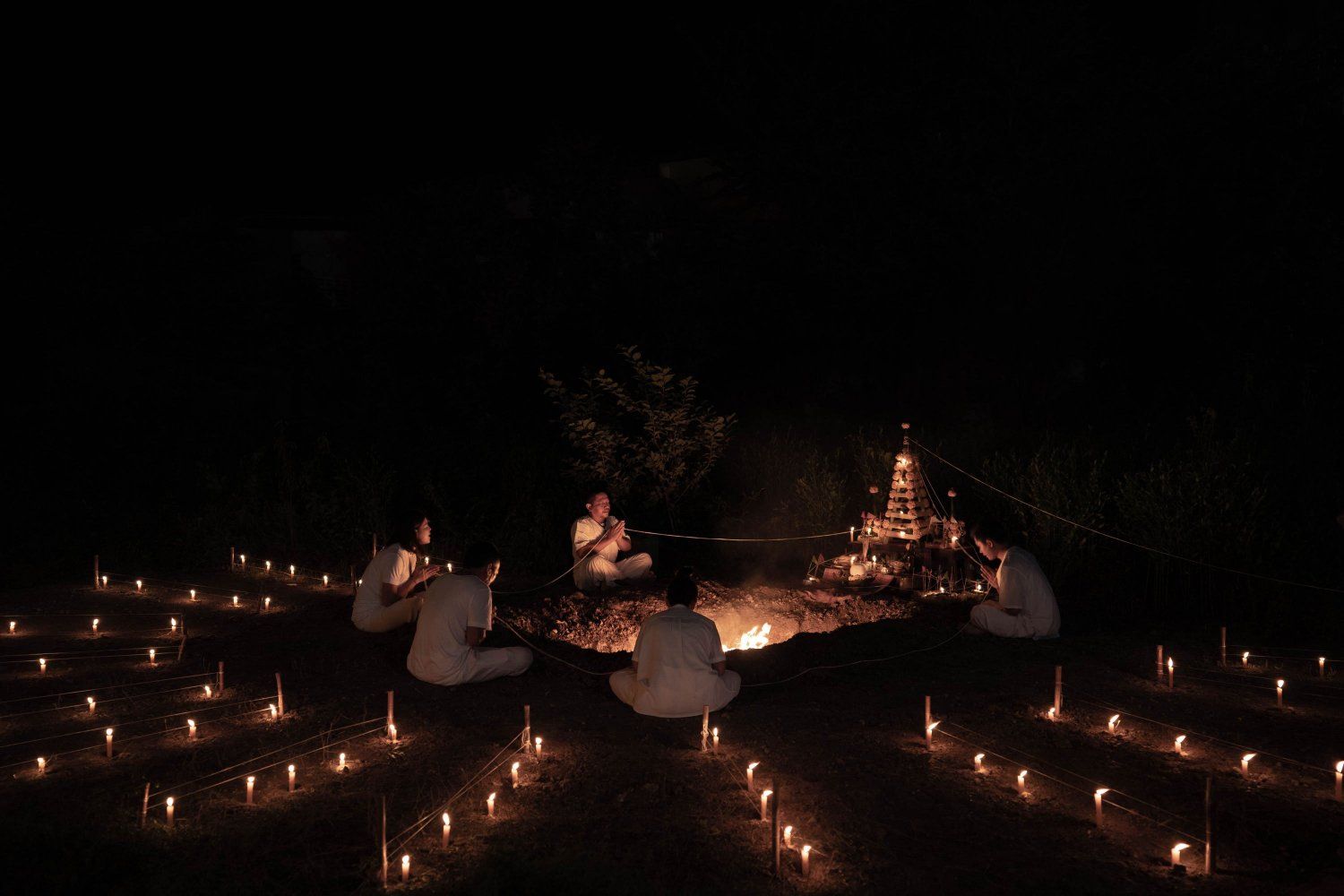
The film operates as both ethnographic document and nightmare fuel, following Nim, a traditional shaman in rural Thailand, as she attempts to help her niece Mink, who appears to be possessed by a malevolent spirit. What begins as a relatively straightforward documentation of traditional healing practices gradually transforms into something far more sinister and uncontrollable, as the boundaries between spiritual intervention and demonic invasion become increasingly blurred.
Narilya Gulmongkolpech delivers a performance of absolutely devastating intensity as Mink, creating one of horror cinema's most genuinely disturbing possession portrayals. Gulmongkolpech's transformation from ordinary young woman to something inhuman feels completely authentic, avoiding the theatrical conventions of Western possession films in favor of something that feels psychologically and spiritually real. Her physical commitment to the role is remarkable—watching her body contort and her voice change creates genuine discomfort that extends far beyond mere performance into something that feels genuinely dangerous to witness.
Yasaka Chaisorn as Nim provides the film's emotional and spiritual anchor, her portrayal of the traditional healer feeling both authoritative and increasingly desperate as she confronts forces beyond her understanding. Chaisorn's performance captures the profound responsibility of someone whose community depends on her ability to navigate the spirit world, making her gradual realization that she may be out of her depth genuinely heartbreaking.
Pisanthanakun's visual approach demonstrates masterful understanding of how to create horror through cultural authenticity rather than generic scary imagery. The rural Thai-Isan setting becomes a character in its own right, with its lush landscapes and traditional architecture creating an atmosphere where the spiritual and material worlds feel naturally intertwined. The film's documentary-style cinematography makes everything feel uncomfortably real, while the gradual introduction of increasingly surreal elements maintains believability even as reality begins to break down.
The film's treatment of Thai-Isan spiritual traditions shows remarkable respect and accuracy, avoiding the exploitation and misrepresentation that often plague Western films dealing with non-Western spiritual practices. The shamanic rituals, spirit ceremonies, and traditional beliefs are presented with ethnographic authenticity, making the horror feel grounded in genuine cultural reality rather than orientalist fantasy.
The sound design creates an auditory landscape that feels both naturalistic and otherworldly, combining the ambient sounds of rural Thailand with increasingly disturbing audio elements that suggest spiritual contamination. The film's use of traditional music and ritual sounds creates atmosphere that feels culturally specific while remaining accessible to international audiences unfamiliar with Thai spiritual traditions.
The Medium's approach to possession horror demonstrates sophisticated understanding of how different cultures conceptualize spiritual invasion and healing. Rather than following Western cinematic traditions of demonic possession, the film draws on actual Thai-Isan beliefs about spirit mediumship, ancestral communication, and malevolent entities. This cultural specificity makes the supernatural elements feel more threatening because they operate according to unfamiliar spiritual logic.
The film's exploration of family dynamics and generational trauma adds psychological complexity to the supernatural narrative. The relationship between Nim and Mink becomes a study in how traditional knowledge and modern skepticism can create dangerous gaps in understanding, while the extended family's various responses to Mink's condition reflect broader tensions between traditional and contemporary worldviews.
Pisanthanakun's direction maintains perfect control over increasingly chaotic material, never allowing the film to devolve into exploitation despite its extreme content. The escalating intensity of Mink's possession is handled with remarkable sensitivity, creating horror that feels spiritually authentic rather than sensationalized. The film's commitment to its cultural perspective prevents it from becoming another generic possession movie with Thai window dressing.
The film's production design creates a world that feels lived-in and authentic, from the traditional wooden houses to the ritual objects and ceremonial spaces. Every detail serves to reinforce the reality of the spiritual world the characters inhabit, making the supernatural elements feel like natural extensions of their cultural environment rather than external impositions.
The documentary-style presentation becomes increasingly effective as the film progresses, making audiences feel like unwilling witnesses to genuine spiritual crisis rather than passive consumers of horror entertainment. This approach creates a sense of ethical discomfort that extends beyond mere fear—we begin to question whether we should be watching these events unfold.
The Medium's final act represents one of contemporary horror's most genuinely disturbing conclusions, a sequence that feels less like cinematic climax and more like witnessing actual spiritual catastrophe. The film's commitment to its cultural perspective means that resolution comes not through Western narrative conventions but through spiritual logic that may be unfamiliar to international audiences, creating genuine uncertainty about what we're witnessing.
The film's themes of cultural preservation, spiritual responsibility, and the dangers of spiritual practice feel urgently contemporary while drawing on ancient traditions. Pisanthanakun has created a work that honors traditional Thai-Isan culture while exploring how spiritual practices can become corrupted or misused when proper protocols aren't followed.
The technical execution throughout is remarkable, with cinematography, sound design, and editing all serving to create an experience that feels genuinely immersive and threatening. The film's ability to maintain documentary realism while incorporating increasingly surreal supernatural elements represents a significant achievement in horror filmmaking.
The Medium succeeds because it understands that the most effective horror comes from authentic cultural fears rather than generic supernatural tropes. The film's power derives from its respectful yet unflinching examination of actual spiritual traditions, creating horror that feels both culturally specific and universally disturbing.
This is possession horror as cultural document, a film that demonstrates how genre cinema can achieve serious artistic and anthropological significance while delivering genuinely terrifying experiences. The Medium stands as one of the finest examples of how horror can transcend entertainment to become something genuinely transformative and deeply unsettling, a work that honors both its cultural sources and the genre's capacity for authentic terror.